

Transforming Cloud & SDLC Operations – Using Enov8, Ansible & OpenCost
December, 2023
by Jane Temov.
Jane Temov is an IT Environments Evangelist at Enov8, specializing in IT and Test Environment Management, Test Data Management, Data Security, Disaster Recovery, Release Management, Service Resilience, Configuration Management, DevOps, and Infrastructure/Cloud Migration. Jane is passionate about helping organizations optimize their IT environments for maximum efficiency.
As cloud operations grow more complex, businesses increasingly need efficient, agile, and cost-effective management solutions. Traditional practices often fall short, prompting a shift towards more integrated approaches.
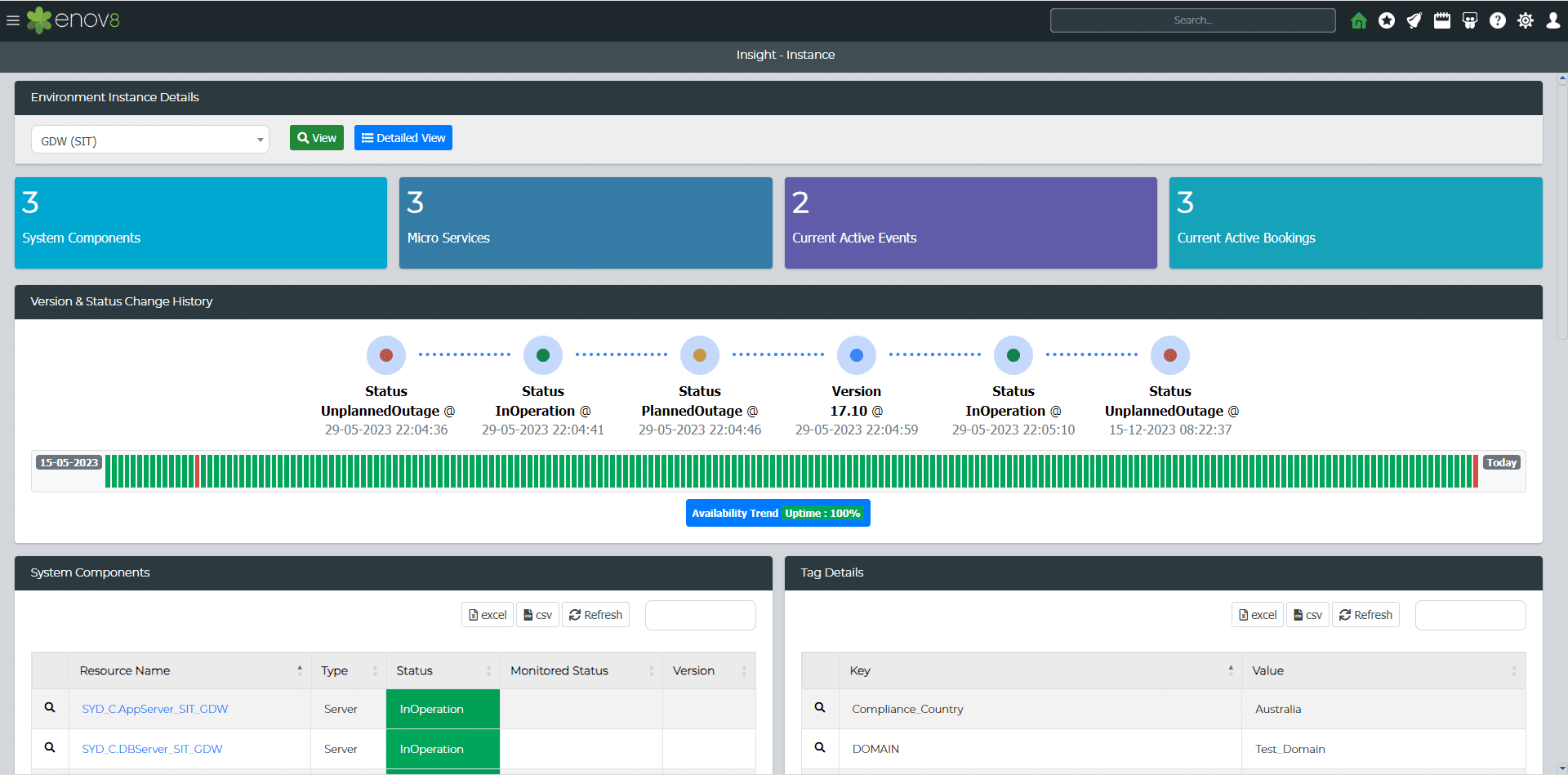
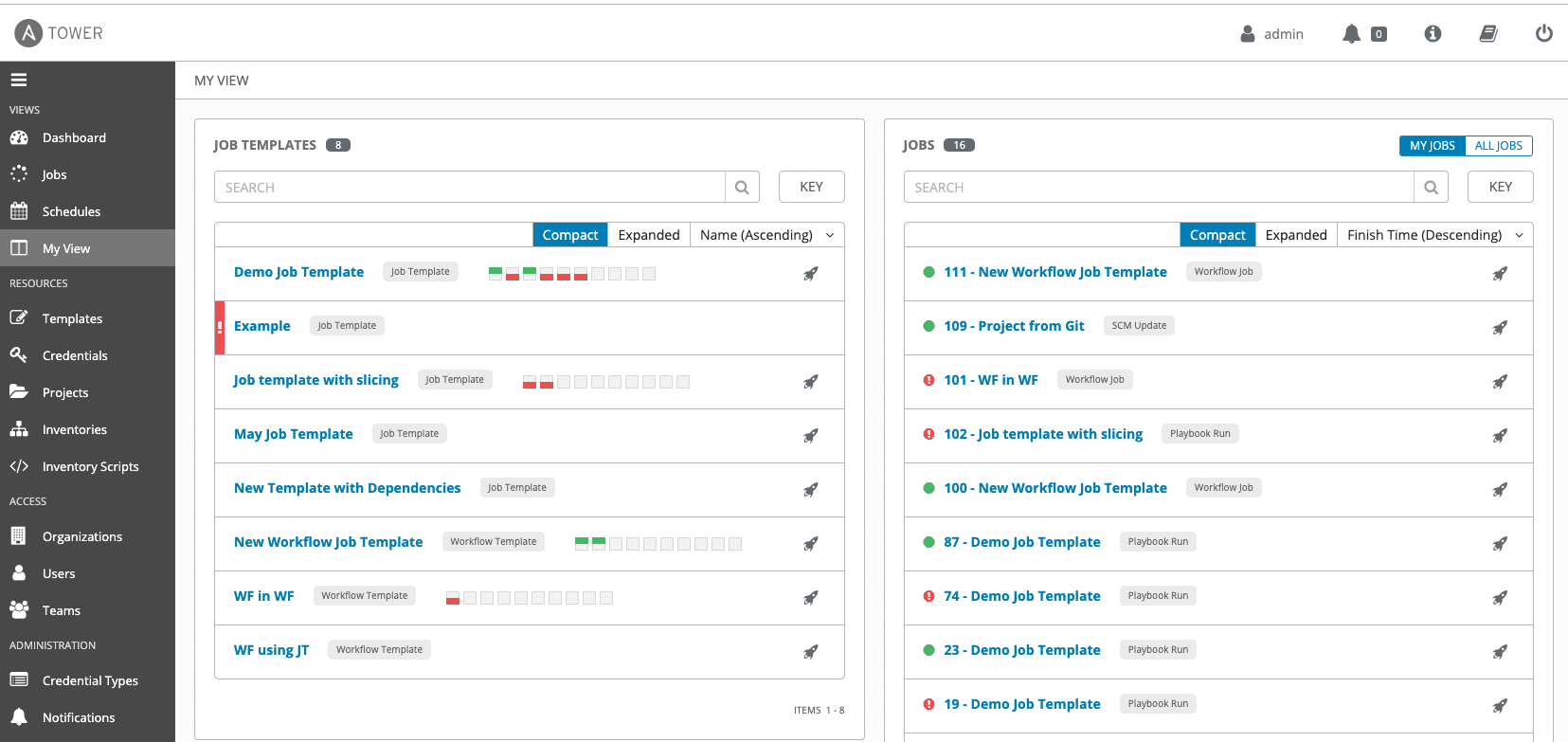
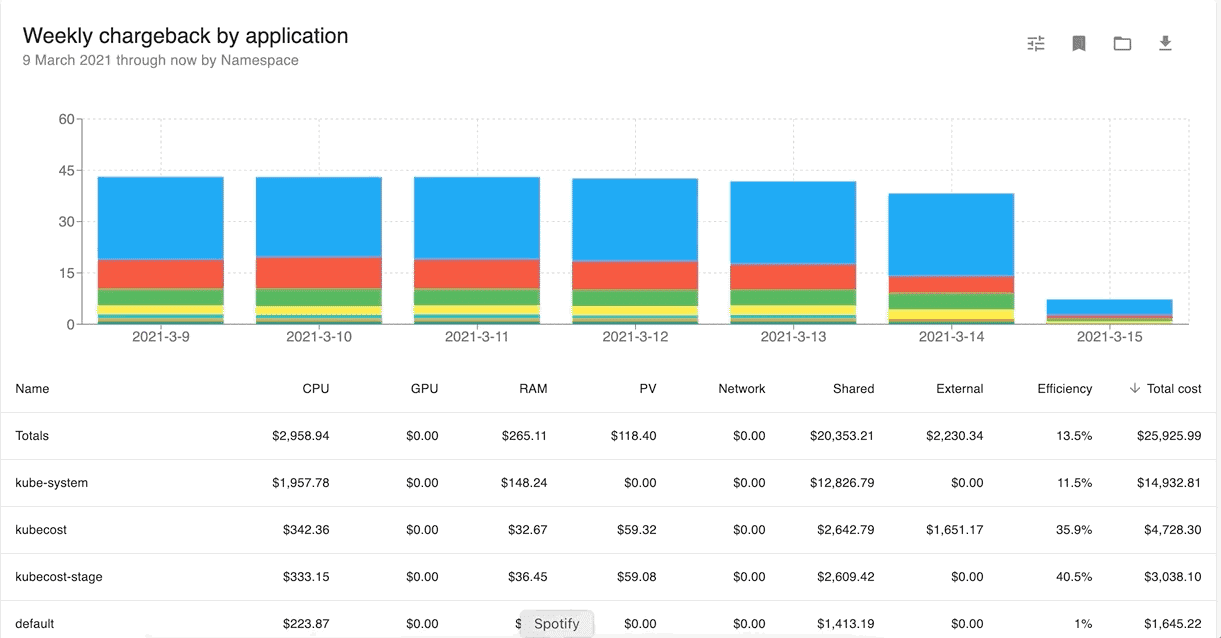
This is where the combined strengths of Enov8, Ansible, and OpenCost come into play. Together, they offer a holistic solution for revolutionizing cloud operations. Enov8 focuses on optimizing IT and test environments, aligning cloud infrastructure with the demands of the Software Development Life Cycle (SDLC). Ansible complements this by automating operations across diverse environments, enhancing consistency and scalability. OpenCost adds to this synergy by offering real-time cost management, enabling businesses to monitor and optimize cloud spending effectively.
This trio’s integration marks a significant evolution in cloud operations management, effectively marrying SDLC processes with cloud objectives to achieve enhanced efficiency, cost-effectiveness, and operational excellence. This article delves into each tool’s capabilities and their combined impact, highlighting the potential for redefining cloud operations and setting new standards in efficiency and cost management.

Relevant Articles

Why Generate Everything? Generate Only What’s Missing
There's a quiet assumption baked into a lot of synthetic data strategies: if you need test data, you generate it. All of it, from scratch, every time. It feels like the modern, AI-powered answer to test data. But it's often the slow, expensive answer to a problem...

MongoDB Data Masking: Benefits, Challenges, and Best Practices
MongoDB powers many modern applications, from customer-facing platforms to analytics systems and cloud-native services. As organizations store increasing amounts of customer, employee, financial, and operational data within MongoDB, they must protect that information...
Test Data Management for Salesforce: A Practical Guide
Salesforce environments contain some of an organization's most valuable information, including customer records, sales opportunities, support cases, financial information, and business process data. While teams need realistic data for development, testing, training,...

What is a QA Environment? A Beginners Guide
Software development is a complex process that involves multiple stages and teams working together to create high-quality software products. One critical aspect of software development is testing, which helps ensure that the software functions correctly and meets the...

What Is Privacy by Design? 7 Principles, Benefits, and GDPR
Millions of dollars are spent each year on data security and privacy initiatives, yet organizations continue to face breaches, unauthorized access, and growing compliance challenges. Rather than treating privacy as an afterthought, many organizations are turning to...
Best DataOps Tools: 8 Platforms Worth Evaluating in 2026
Choosing a DataOps tool has never been harder. The market now includes everything from pipeline orchestration platforms and observability tools to governance solutions and test data management software. While all of these products support DataOps initiatives, they...