
Solutions for Enterprise Architects
Help Enterprise Architects understand, govern and optimise the application landscape across systems, platforms, environments, releases, data and transformation initiatives.
Enterprise Architect Objective
Enterprise Architects help organisations make better decisions about technology investment, application rationalisation, platform strategy, risk, standards and transformation.
At enterprise scale, this becomes difficult when application knowledge is fragmented, ownership is unclear, dependencies are poorly understood and delivery activity is disconnected from architecture planning.
Enov8 supports Enterprise Architects by providing a shared control plane that connects application portfolio knowledge with environments, releases, data, projects, dependencies and operational readiness.
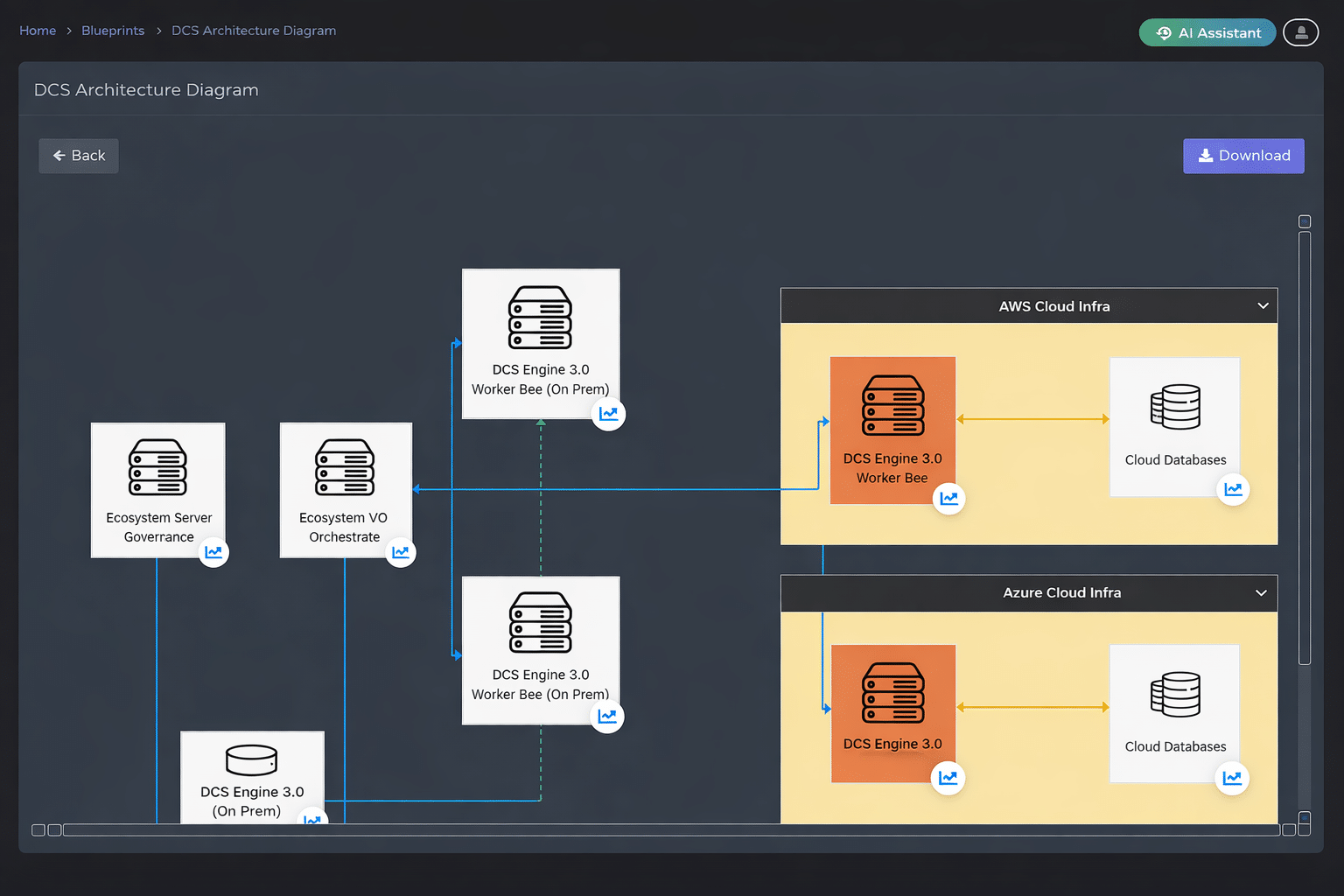
How Enov8 Helps Enterprise Architects
Enov8 Live APM helps Enterprise Architects create a governed view of the enterprise technology landscape, connecting application portfolio information with delivery, operational and transformation context.
| Enterprise Architecture Need | How Enov8 Helps |
|---|---|
| Understand the application landscape | Provides a connected view of applications, platforms, ownership, lifecycle status, dependencies and business alignment. |
| Support portfolio rationalisation | Helps identify duplication, ageing technology, unclear ownership, risk exposure and candidates for retirement or consolidation. |
| Improve transformation planning | Connects transformation activity with applications, environments, releases, data, projects and delivery dependencies. |
| Strengthen architecture governance | Supports standards, lifecycle control, ownership, risk visibility and decision traceability across the application estate. |
| Connect architecture to delivery | Links strategic architecture intent with release activity, environment readiness, test data needs and implementation planning. |
| Improve executive visibility | Provides reporting across application health, risk, change activity, delivery impact and portfolio optimisation opportunities. |
Benefits for Enterprise Architects
Understand what exists, who owns it and how systems connect.
Apply standards across applications, lifecycle, risk and change.
Identify duplication, ageing assets and rationalisation opportunities.
Report on portfolio health, technology risk and delivery impact.
| Benefit | Description |
|---|---|
| Better portfolio decisions | Architecture teams can assess applications using ownership, lifecycle, dependency, risk and delivery information. |
| Improved application rationalisation | Duplicate, ageing, underused or high risk applications can be identified more easily. |
| Stronger architecture governance | Standards, ownership and lifecycle decisions can be managed with greater visibility and traceability. |
| Clearer transformation planning | Transformation activity can be aligned to real application, environment, release and data dependencies. |
| Reduced delivery risk | Architecture decisions can consider delivery readiness, environment constraints, data dependencies and release impact. |
| Better executive reporting | Enterprise Architects can communicate portfolio health, risk, change and optimisation opportunities more clearly. |
| Improved collaboration | Architecture, delivery, release, environment, data and operations teams can work from a shared source of truth. |
| Stronger investment alignment | Technology investment decisions can be connected to application value, lifecycle status, risk and strategic priorities. |